
Chimney inspections in Boulder.
A look at the whole chimney, cap to firebox, before a small problem turns into a big one. Call the office or book online.
- reviews on Googleas of
Office 7 AM to 9 PM, every day. Book online any hour.Office open now, until Office opens at . Book online now.
- Book onlineAny hour
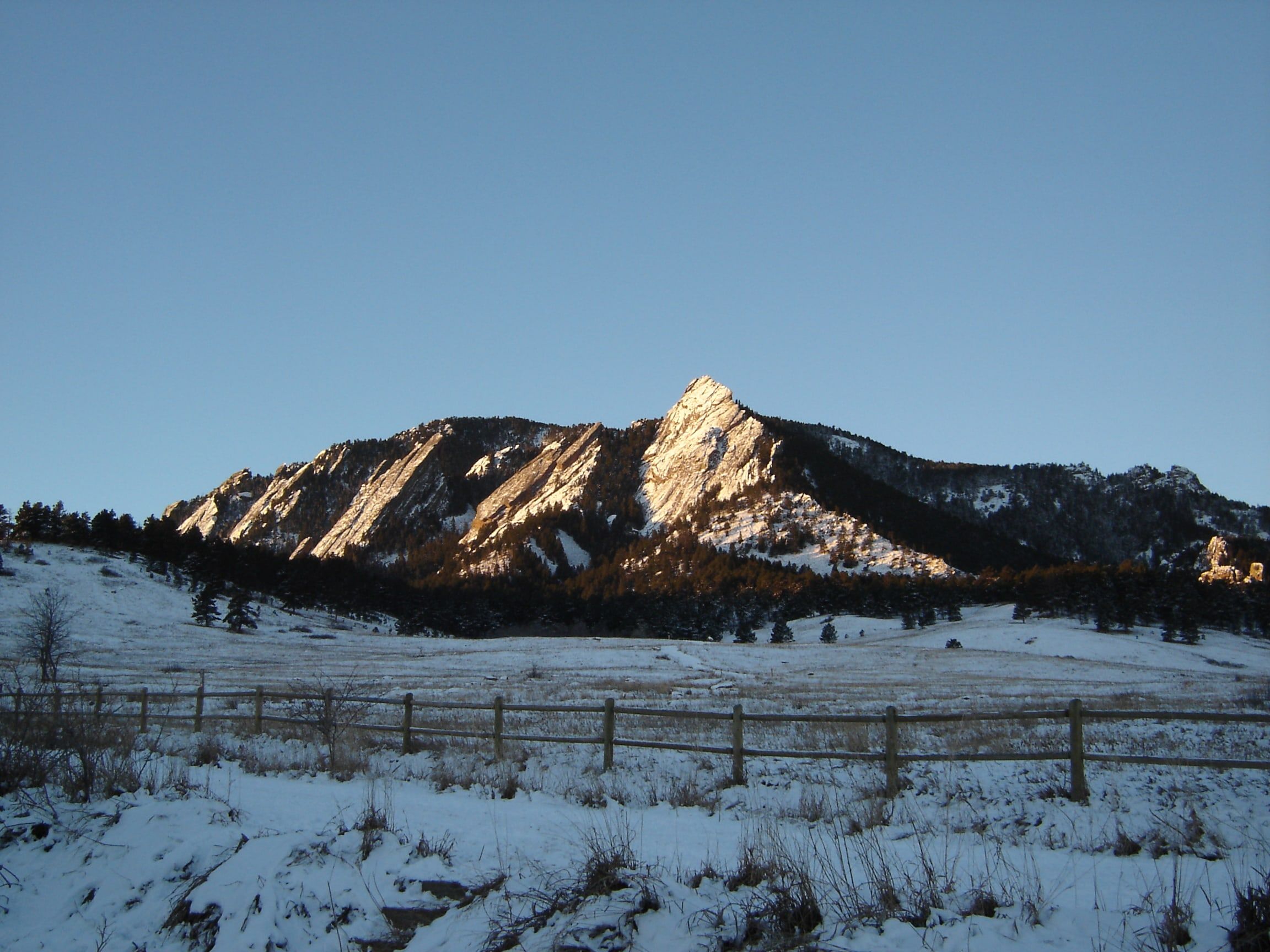
Photo: Flatirons, Perryjp (assumed author), CC BY-SA 3.0
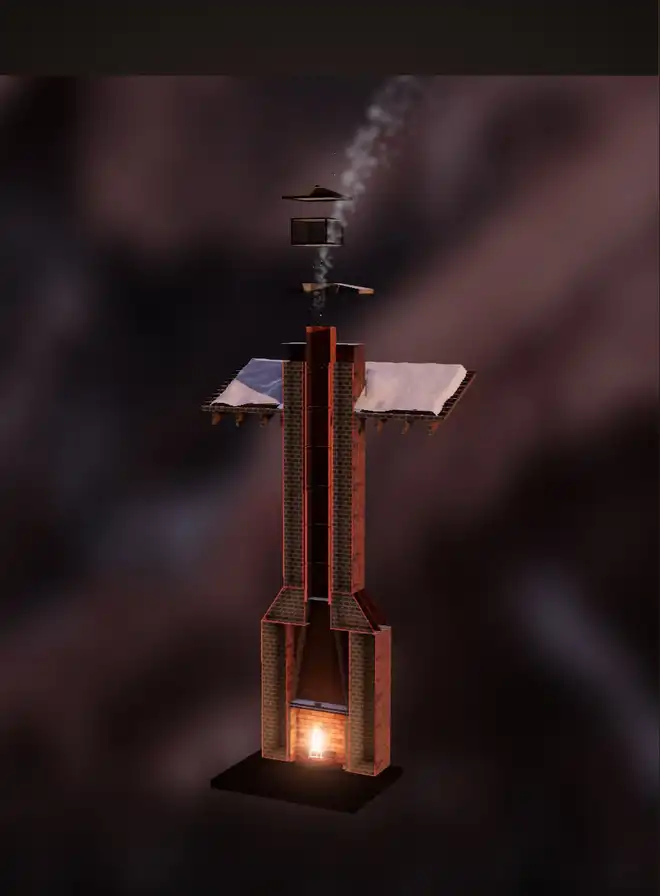
What an inspection covers.
Six parts, from the cap down to the firebox.
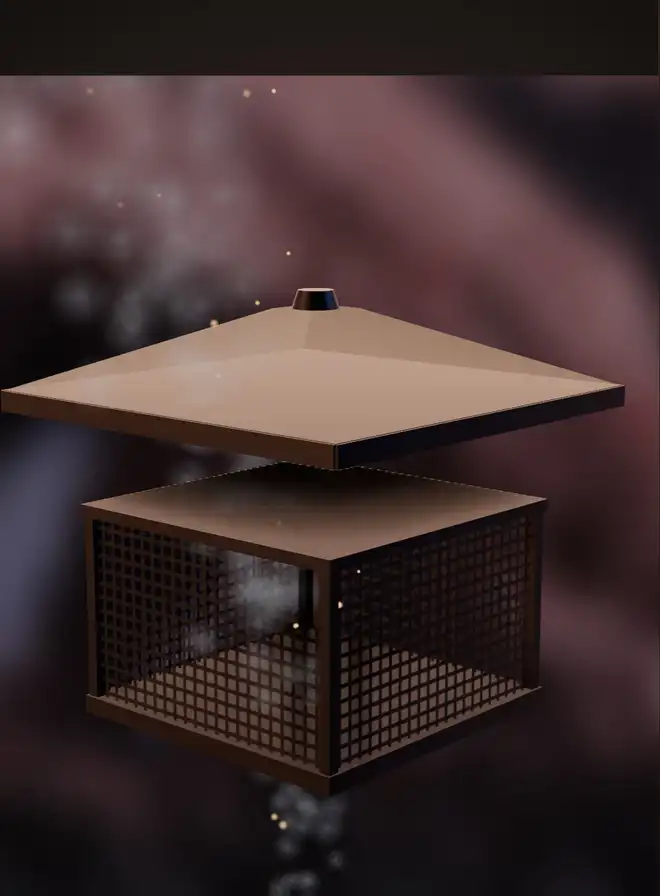
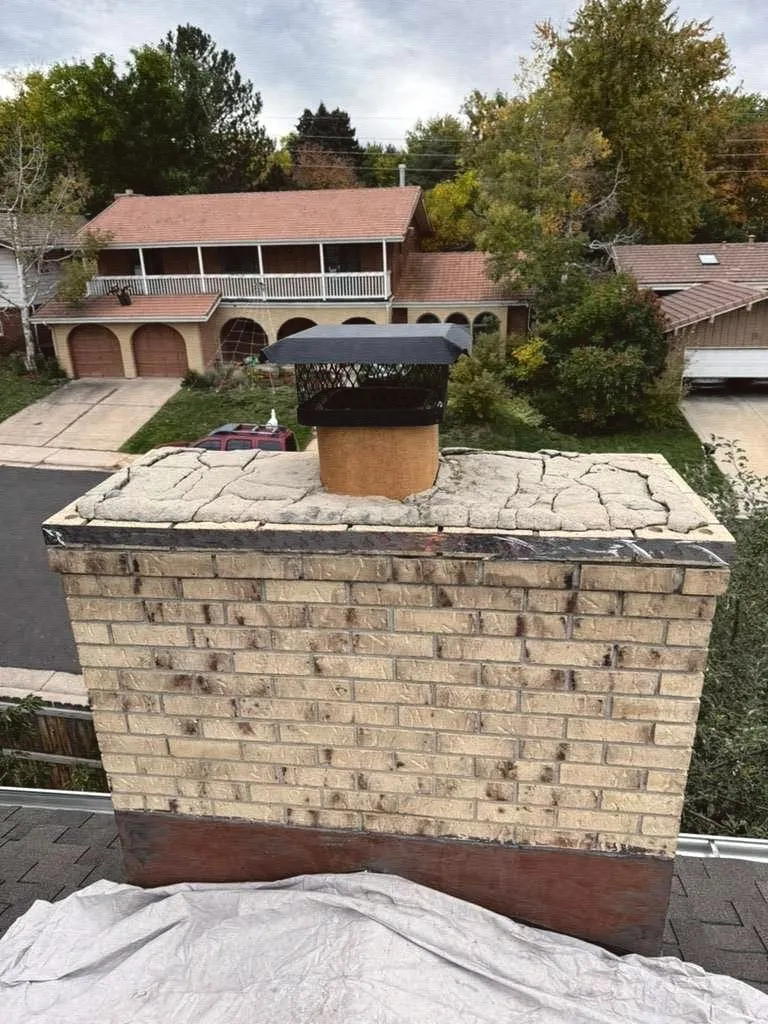
Cap
Top of the flue
Keeps snow, rain and animals out of the flue, and its screen stops sparks before they land on a roof.
We check: fit, rust, a torn screen, nests.
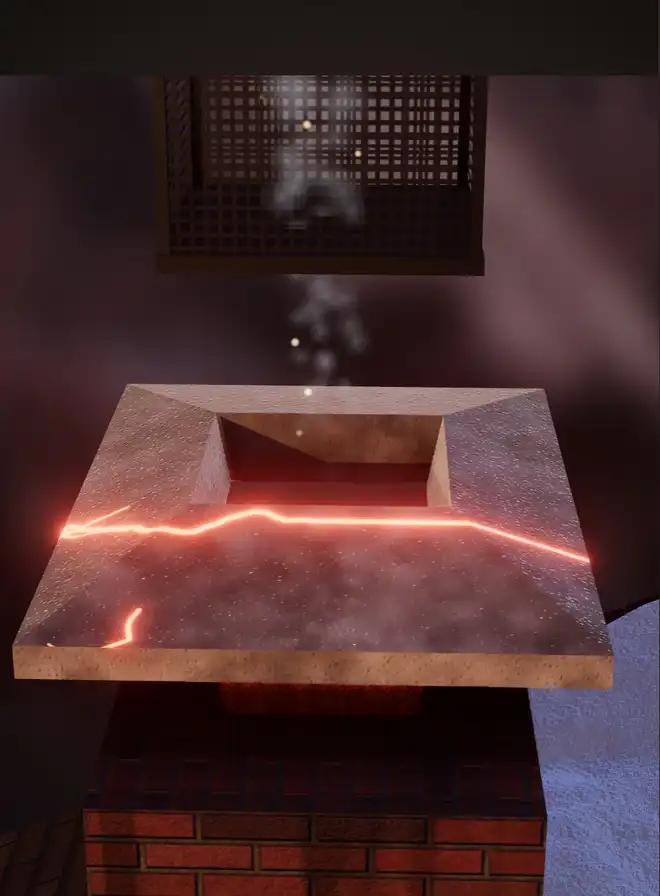
Crown
The slab on top
Freeze and thaw work on it all winter: water in a hairline crack expands about 9% as it freezes.
We check: hairline cracks, spalling, gaps at the flue tile.
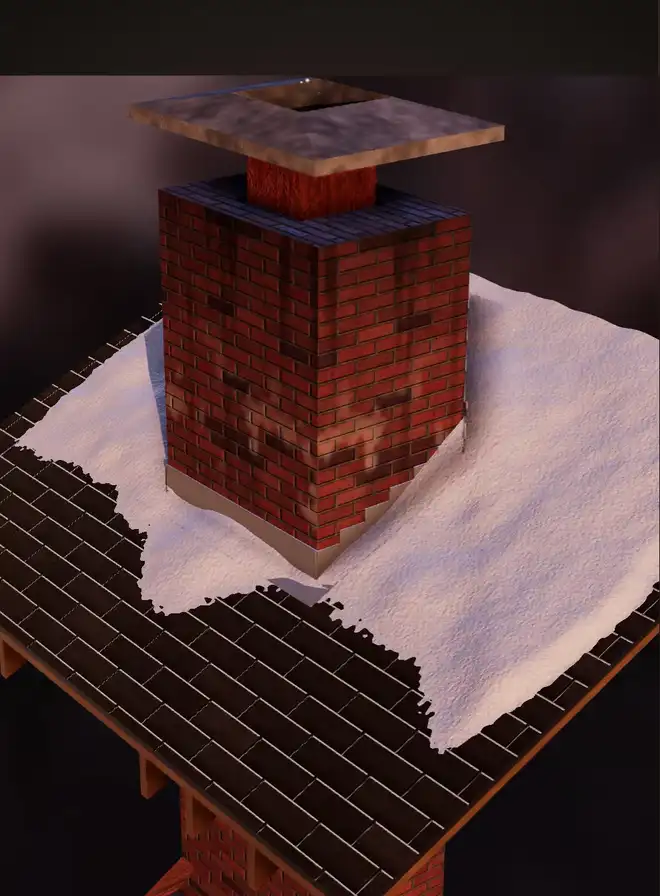
Flashing
At the roof line
Seals the joint between chimney and roof, where snow piles up and downslope winds test every seam.
We check: lifted counterflashing, failed sealant, attic stains.
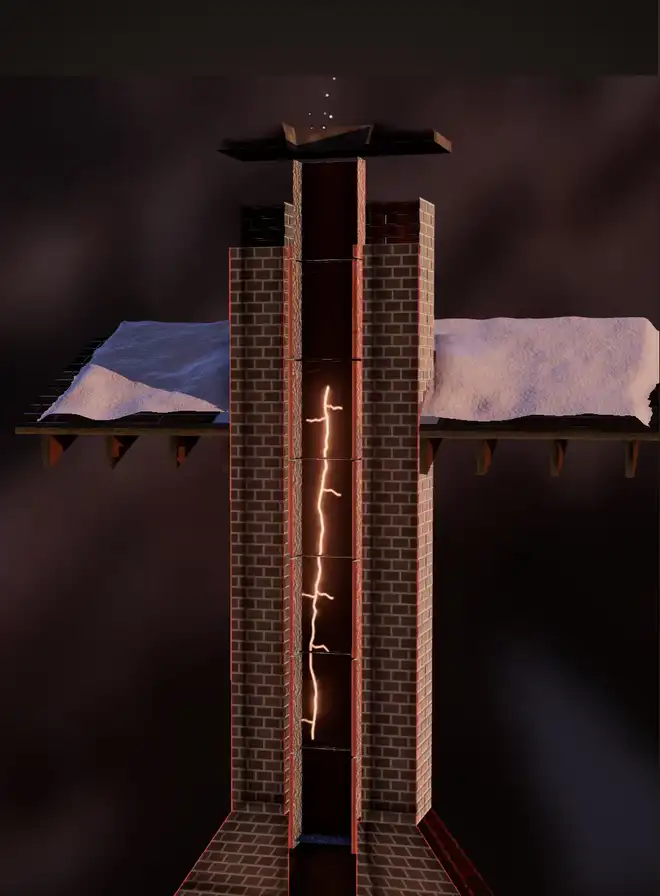
Flue liner
Inside the stack
Carries smoke and heat out. A cracked tile can let heat reach the framing and carbon monoxide reach the rooms.
We check: cracked or offset tiles, missing mortar, the right size.
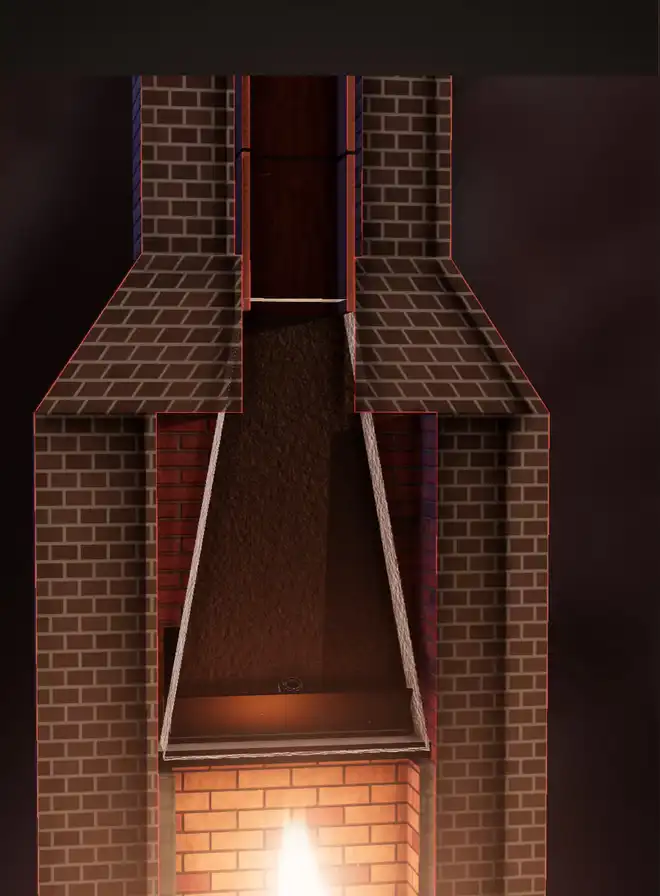
Smoke chamber and damper
Above the fireplace
Creosote collects here first. The Chimney Safety Institute of America says sweep at 1/8 inch of buildup.
We check: glazed creosote, a damper that seals, open walls.
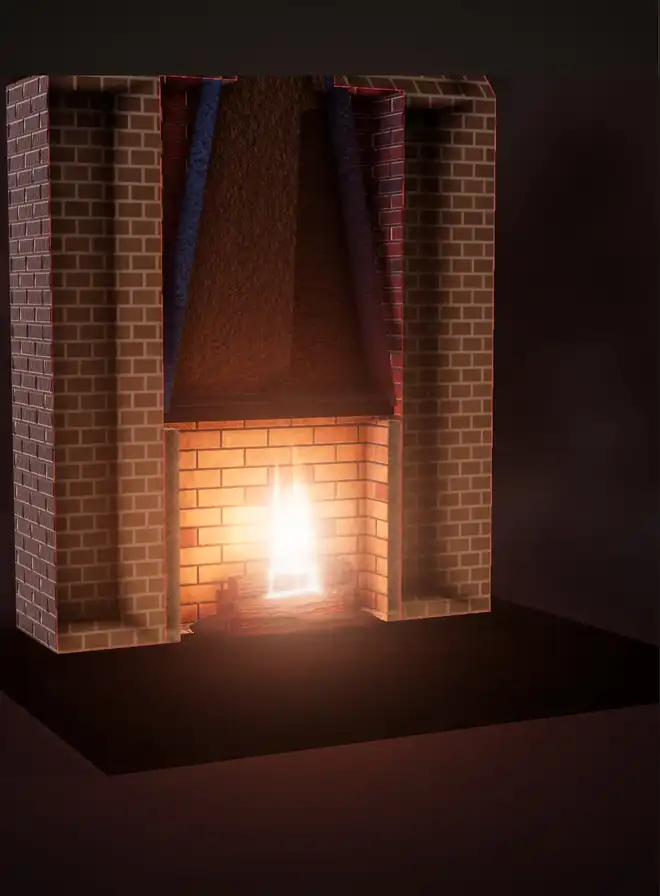
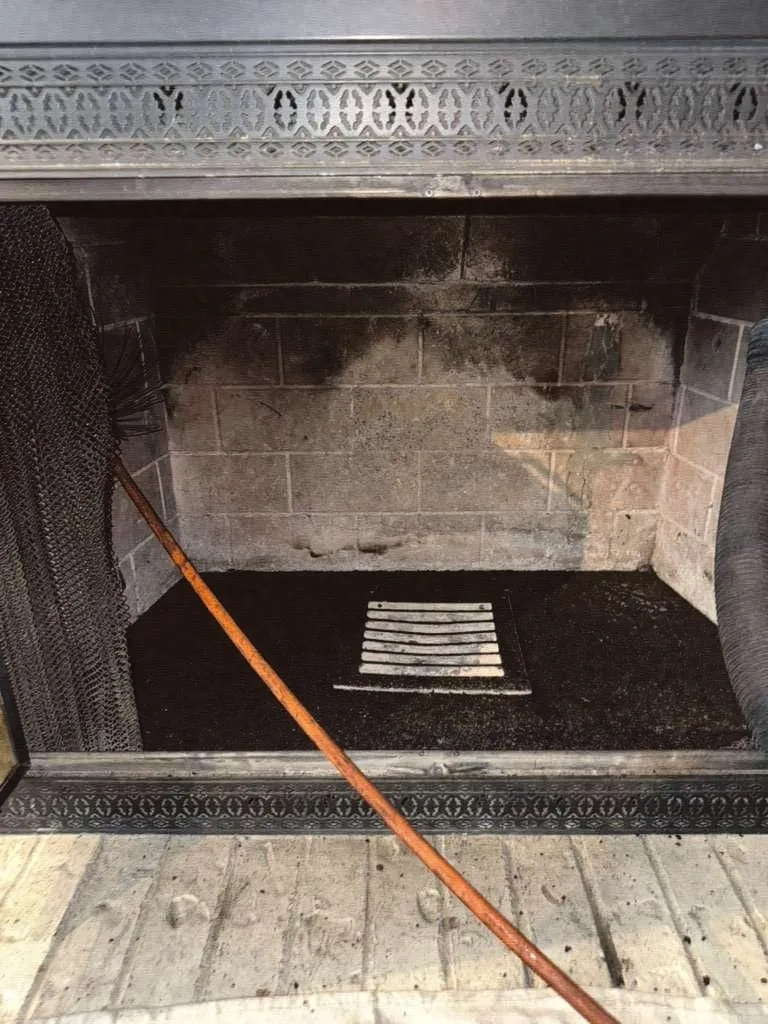
Firebox
Where the fire sits
Firebrick and mortar take the direct flame. Small joint repairs here prevent large masonry repairs behind it.
We check: open joints, cracked firebrick, the hearth.
Three levels of inspection.
NFPA 211, the standard for chimneys and fireplaces, sets out three levels. Each goes deeper than the one before.
Level 1
A system in continued service, with no changes to how it is used.
Covers The accessible portions of the chimney.
Level 2
At a property sale or transfer, after a change to the system, or after a chimney fire or other event.
Covers Everything in Level 1, plus attics, crawl spaces and a video scan of the flue.
Level 3
When a hazard is suspected and Level 2 could not confirm it.
Covers Everything in Level 2, plus concealed areas. It may need removal of parts of the structure.
Source: NFPA 211.Book an inspection
When to book one.
An inspection is not only for when something looks wrong. These are the times to have one done.
Before the first fire of the season.
The National Fire Protection Association recommends an inspection once a year. Fall, before the first fire, is the easy time to fit it in.
From our Google Business Profile Buying or selling a house.
NFPA 211 calls for a Level 2 inspection when a property is sold or transferred, with a video scan of the flue.
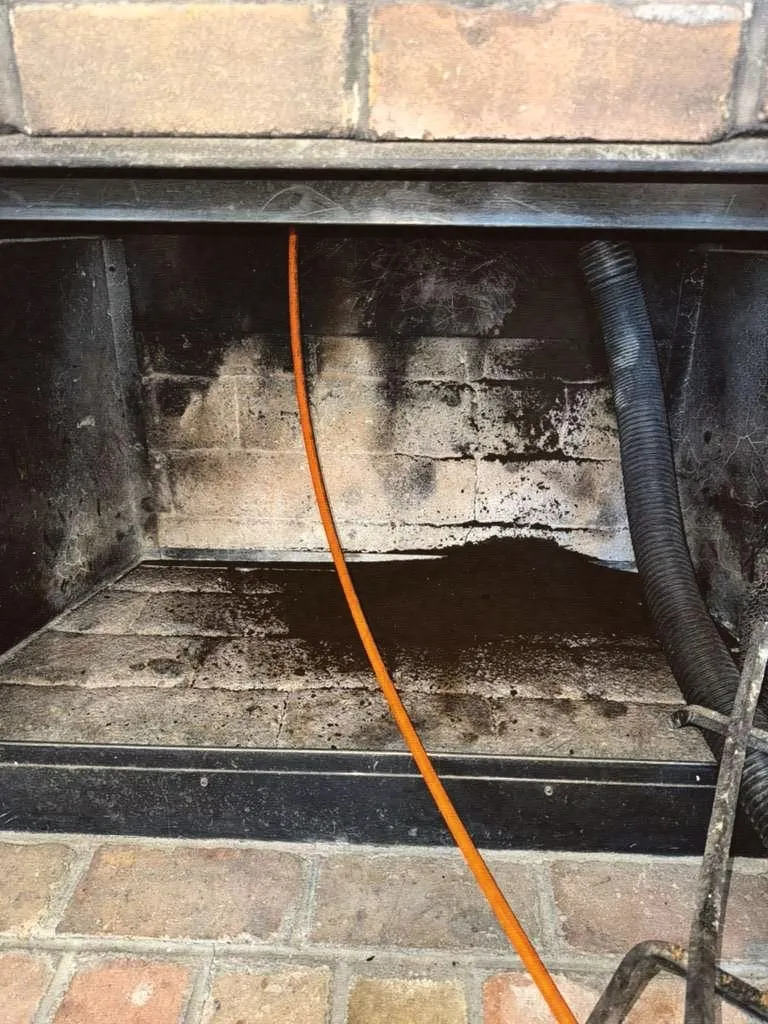
From our Google Business Profile After a chimney fire.
NFPA 211 calls for a Level 2 inspection after a chimney fire or other event.
From our Google Business Profile After a big windstorm or hail.
Wind and hail hit what sits above the roof first: the cap, the crown and the flashing. The NCAR Mesa Lab in Boulder recorded a 137 mph gust on January 17, 1982.
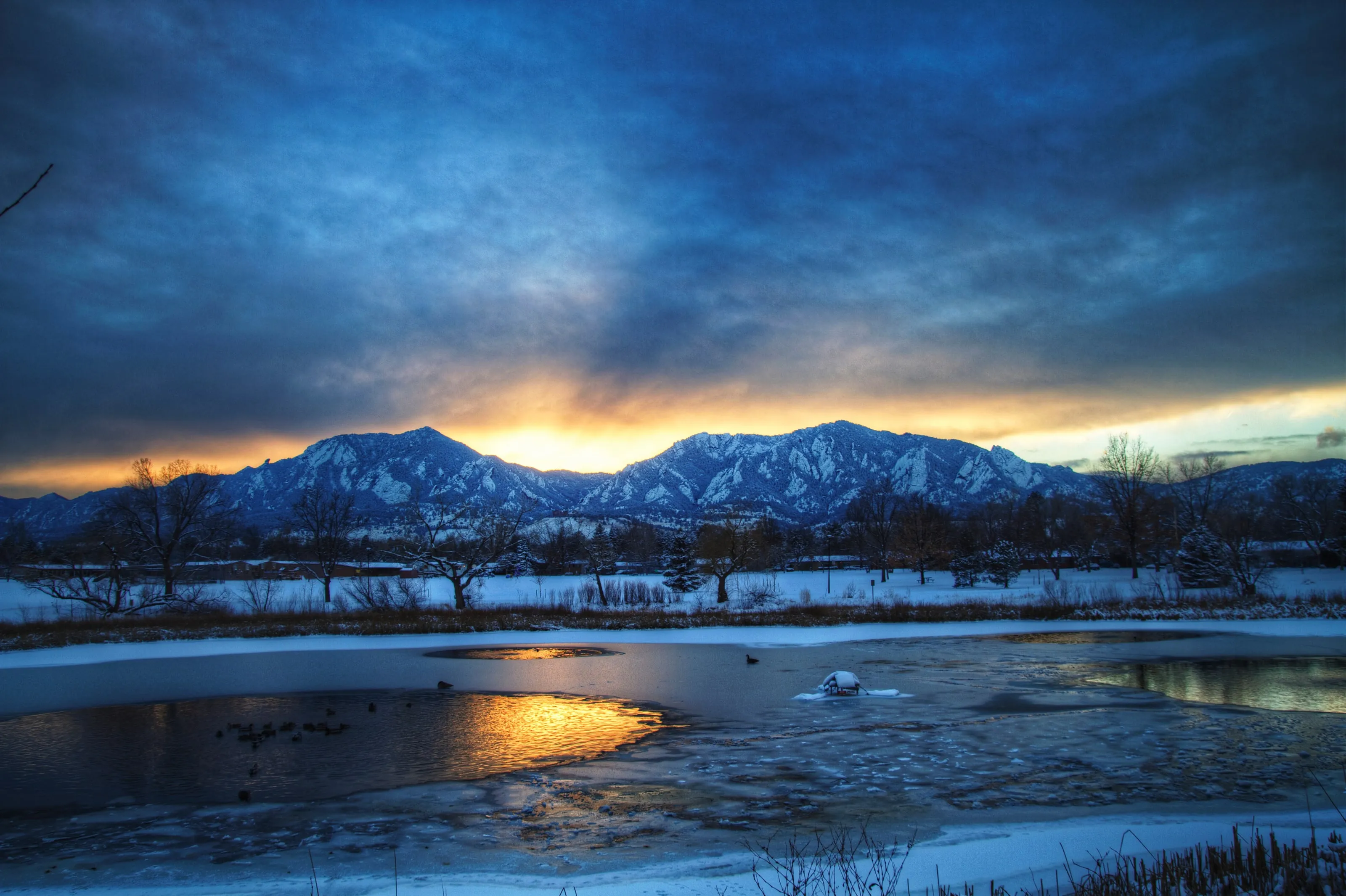
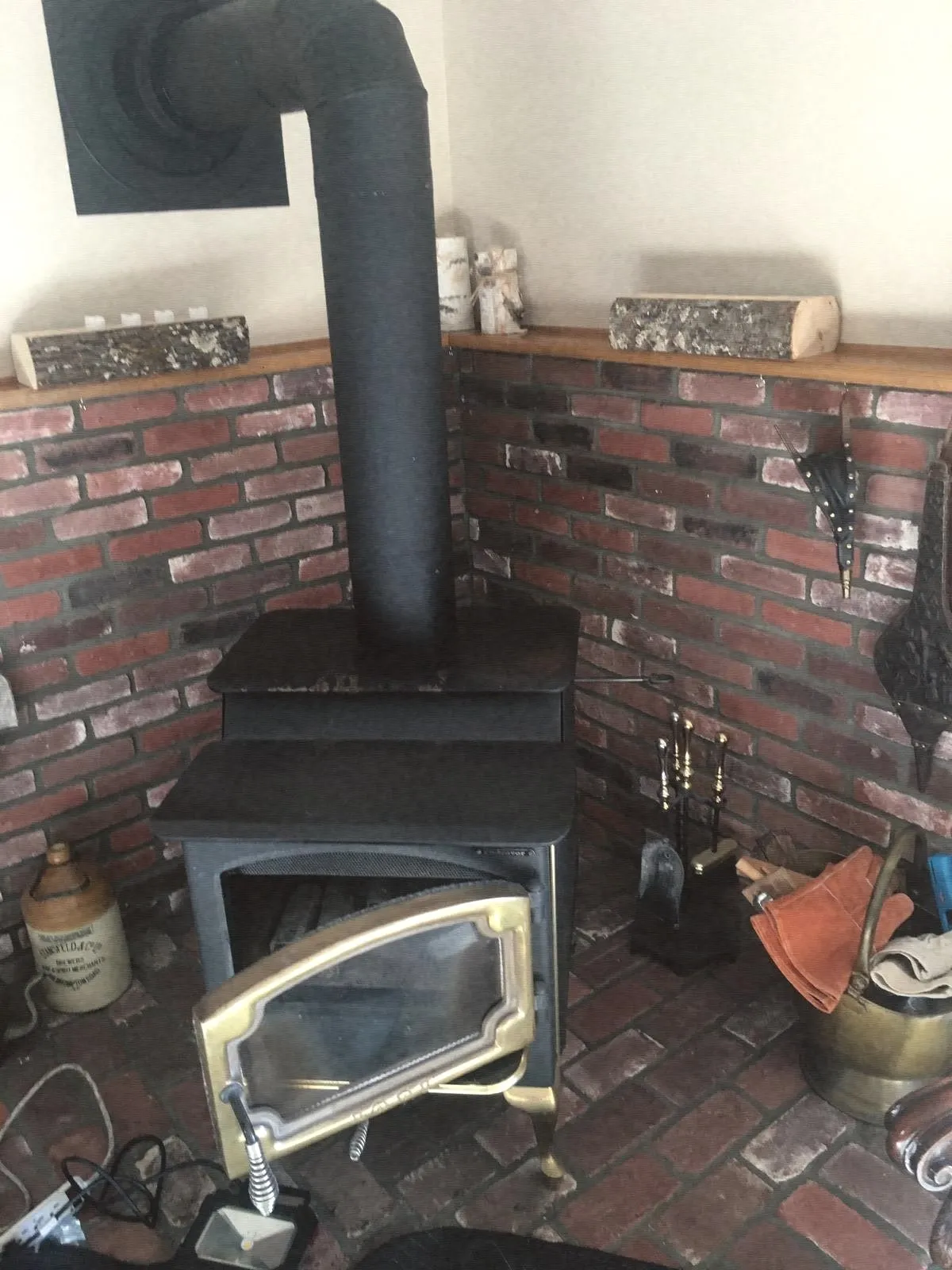
Photo: Frosted Flatirons, Zach Dischner, CC BY 2.0 After switching to a gas insert or wood stove.
A change to the system is one of the reasons NFPA 211 gives for a Level 2 inspection.
From our Google Business Profile
Questions about inspections.
Straight answers, with the source when there is one.
How often should a chimney be inspected?
The National Fire Protection Association recommends an inspection once a year. Sweeping is a separate matter and depends on how much you burn: the Chimney Safety Institute of America rule of thumb is to sweep at 1/8 inch of buildup, sooner if the deposit looks glazed or shiny.
Do I need an inspection when I buy or sell a house?
NFPA 211, the standard for chimneys and fireplaces, calls for a Level 2 inspection when a property is sold or transferred. Level 2 goes past the accessible parts that Level 1 covers, adding attics, crawl spaces and a video scan of the flue.
What does an inspection look at?
The whole chimney, from the top down: the cap, the crown, the flashing at the roof line, the flue liner, the smoke chamber and damper, and the firebox. Each part is listed above with what we check.
How do I book an inspection?
Call (983) 223-5376 from 7 AM to 9 PM, every day, or send a request with the form on this page at any time.
Book a visit.
Tell us what you need and we will call you back to confirm a time.
- 1You book By phone or online.
- 2We call back To confirm a time.
- 3We inspect Cap to firebox, first.
- 4You decide What gets done, and when.
Online
24 hours a day, with this form
Photo: Chautauqua park with flatirons, Laurascudder (assumed author), CC BY-SA 3.0
Smoke smell, a cracked crown, or just the first fire of the year?
Office 7 AM to 9 PM, every day. Book online any hour.Office open now, until Office opens at . Book online now.
Book online