
Chimney repair in Boulder.
Crowns, caps, flashing, mortar joints, firebrick and flue liners. Small repairs done early keep water and heat where they belong, before a freeze makes them bigger.
- reviews on Googleas of
Office 7 AM to 9 PM, every day. Book online any hour.Office open now, until Office opens at . Book online now.
- Book onlineAny hour
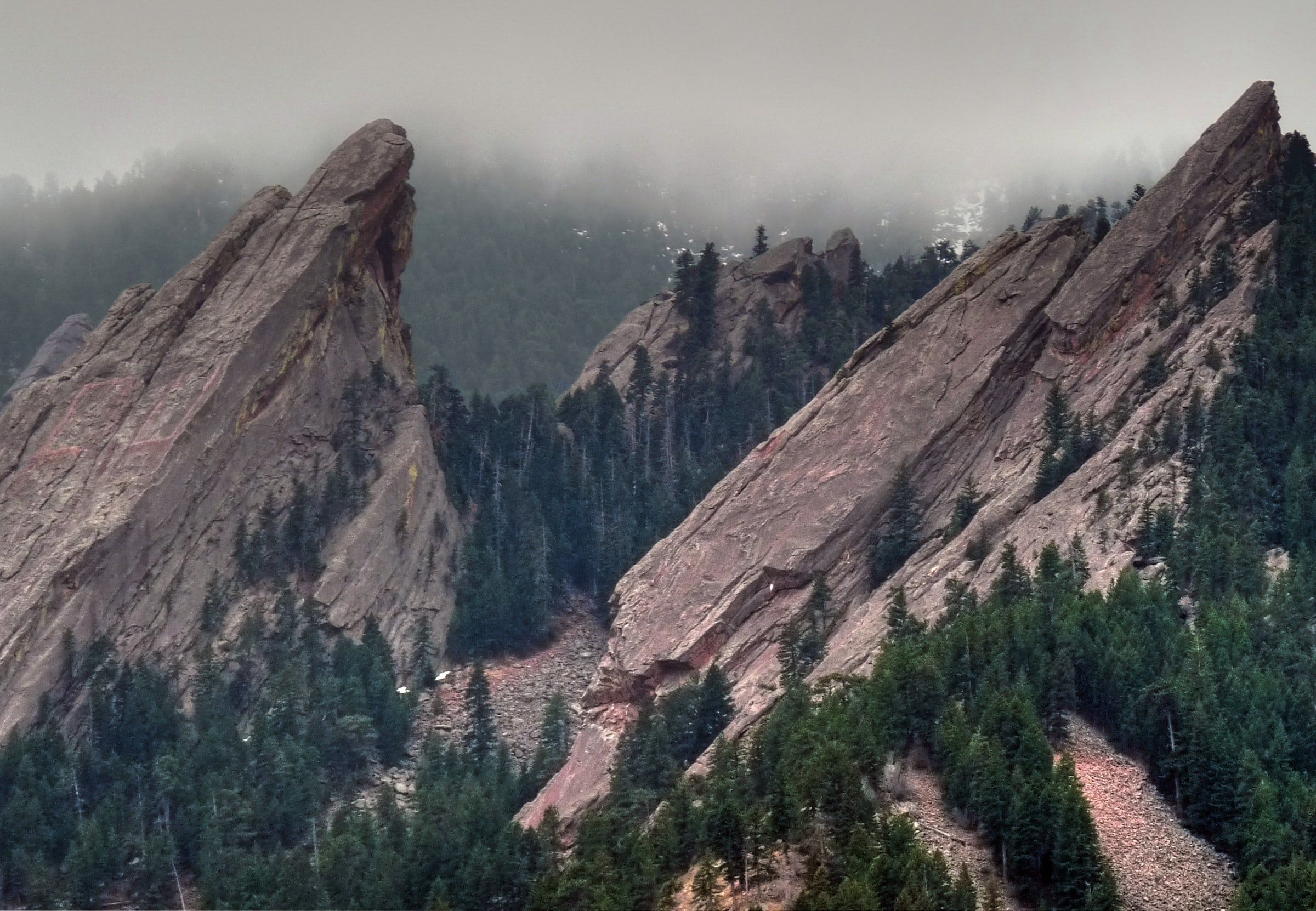
Photo: 2 Flatirons from the Chautauqua, joiseyshowaa, CC BY-SA 2.0
What we repair, top to bottom.
Every part of a chimney fails in its own way. These are the repairs that come up most, and the Boulder weather behind them.
Crowns.
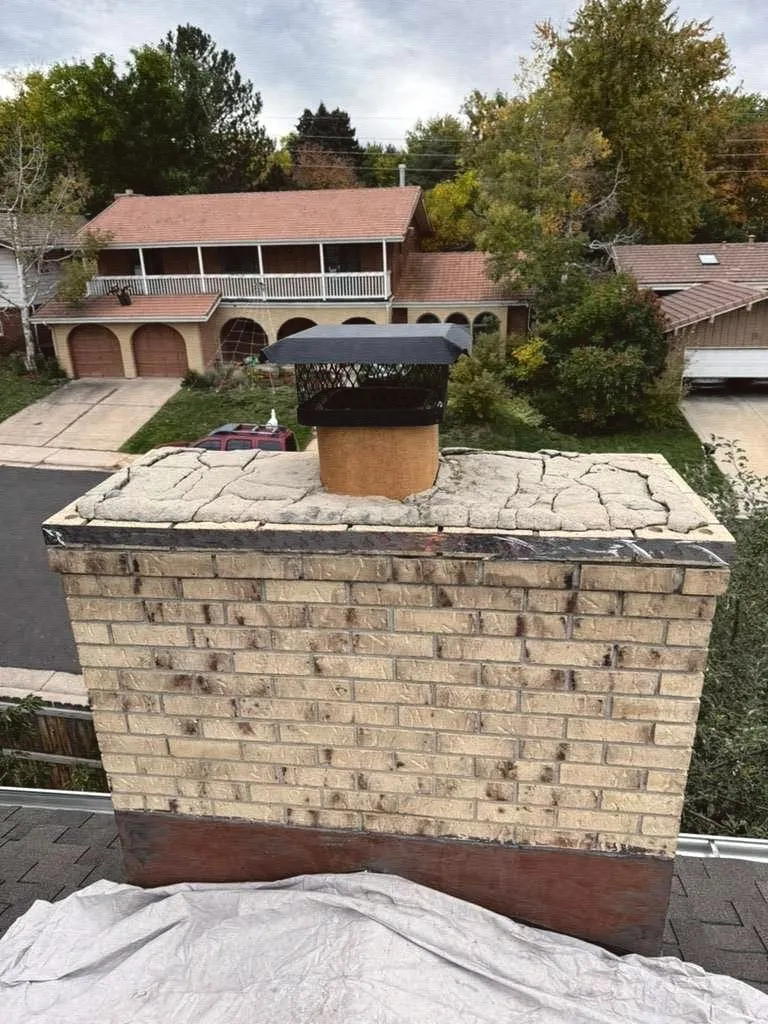
The crown is the concrete slab on top of the chimney. It sheds water away from the flue and the brick, and it takes the worst of a Boulder winter: freeze at night, thaw by noon, again the next day.
Water in a hairline crack expands about 9% as it freezes, so the crack opens a little more each cycle. Hairline cracks can be sealed while they are small; a crown that has broken up or pulled away from the flue tile needs rebuilding.
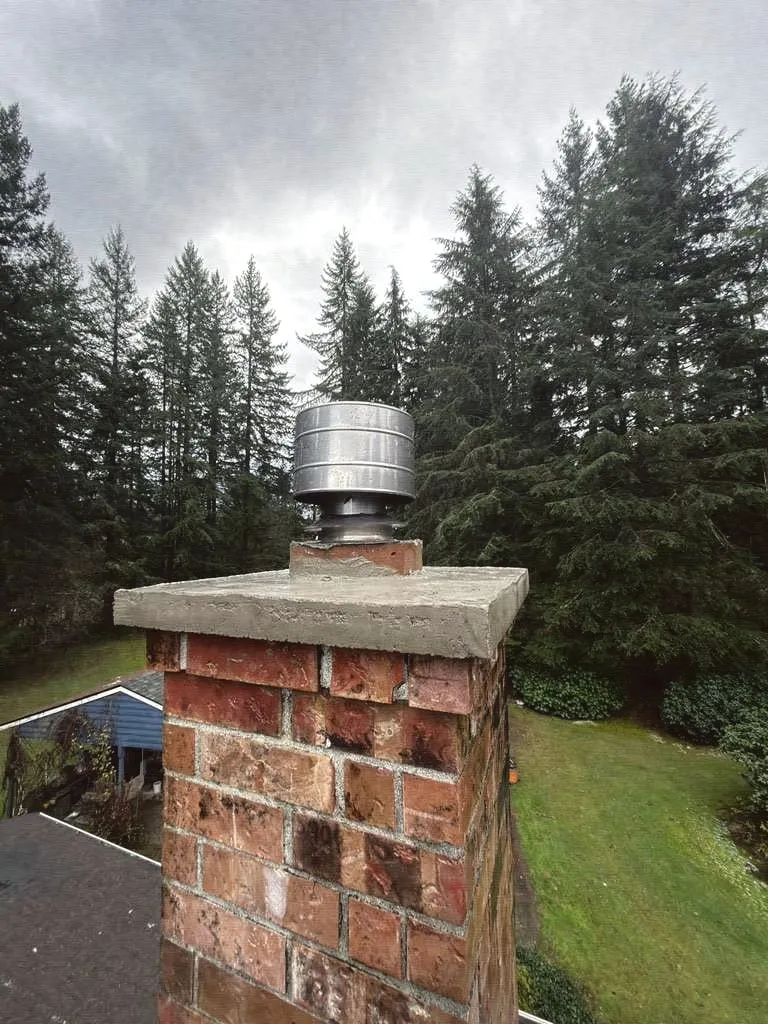
From our Google Business Profile Caps and spark arrestors.
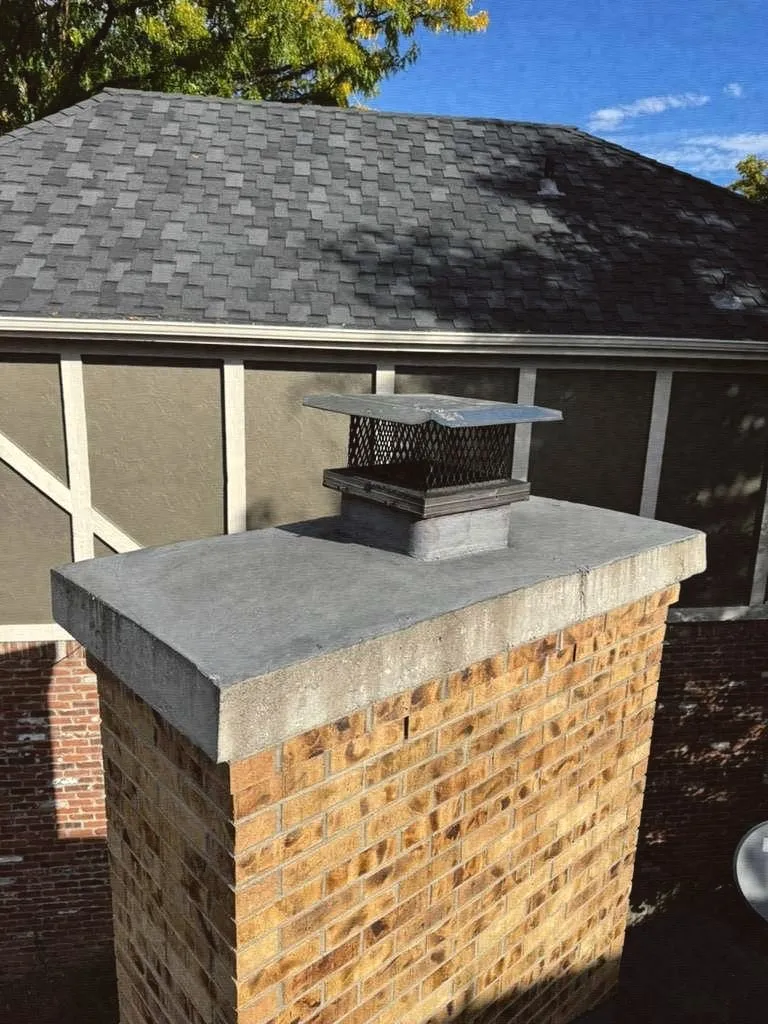
A cap keeps rain, snow, birds and squirrels out of the flue. Its screen is the spark arrestor: the International Residential Code (R1003.9.2) sets its openings between 3/8 and 1/2 inch, small enough to stop embers and large enough not to clog.
Wind is the cap’s other enemy here. The NCAR Mesa Lab in Boulder recorded a 137 mph gust on January 17, 1982; downslope winds loosen fasteners and tear screens long before a cap actually blows off.
From our Google Business Profile Flashing at the roof line.
Flashing seals the joint where the chimney comes through the roof. Snow piles against the uphill side and melts slowly, which is exactly where lifted counterflashing or dried-out sealant lets water in. The first sign is often a stain on the ceiling or in the attic beside the chimney, not inside it.
From our Google Business Profile Mortar joints and brick.
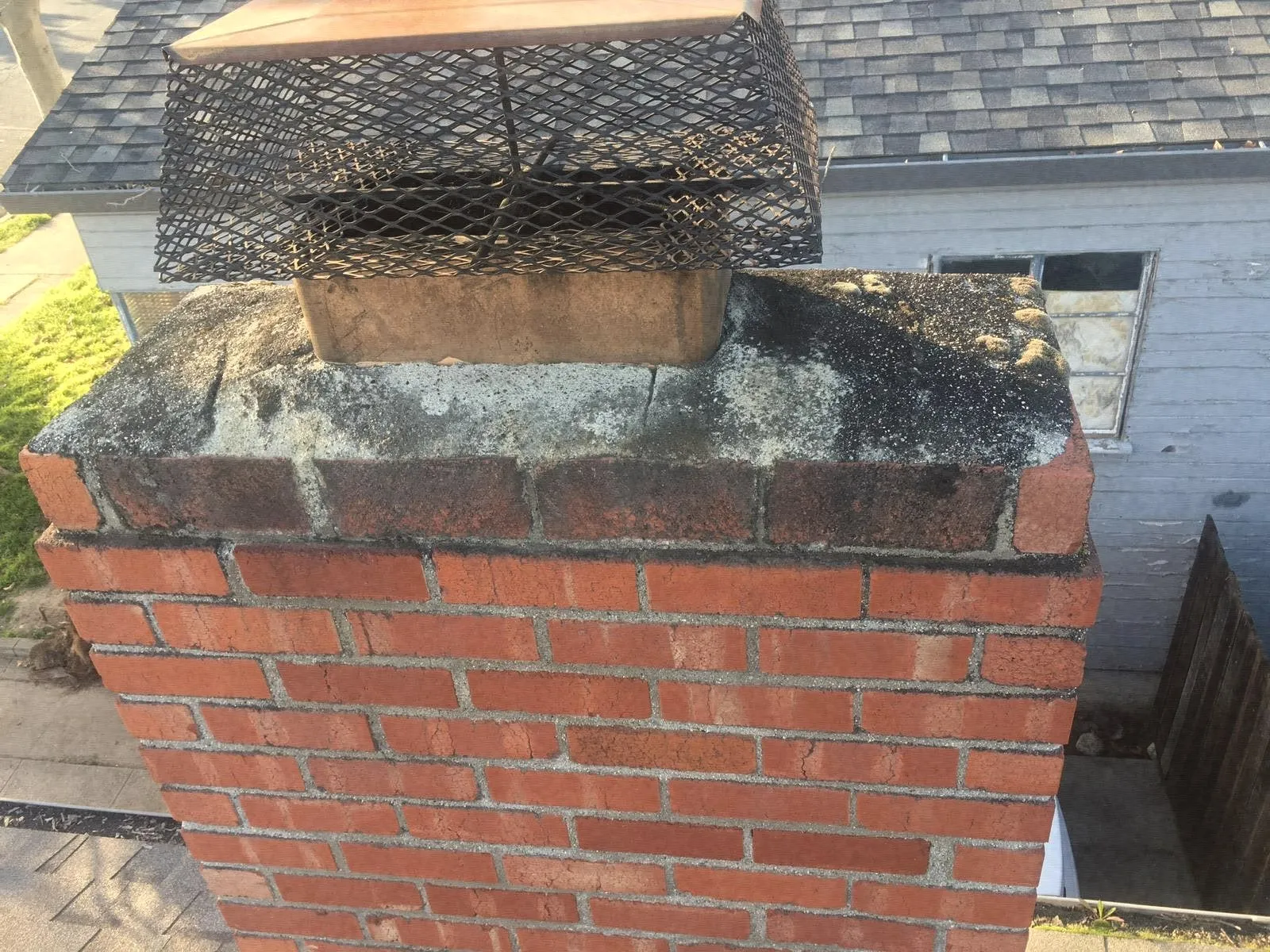
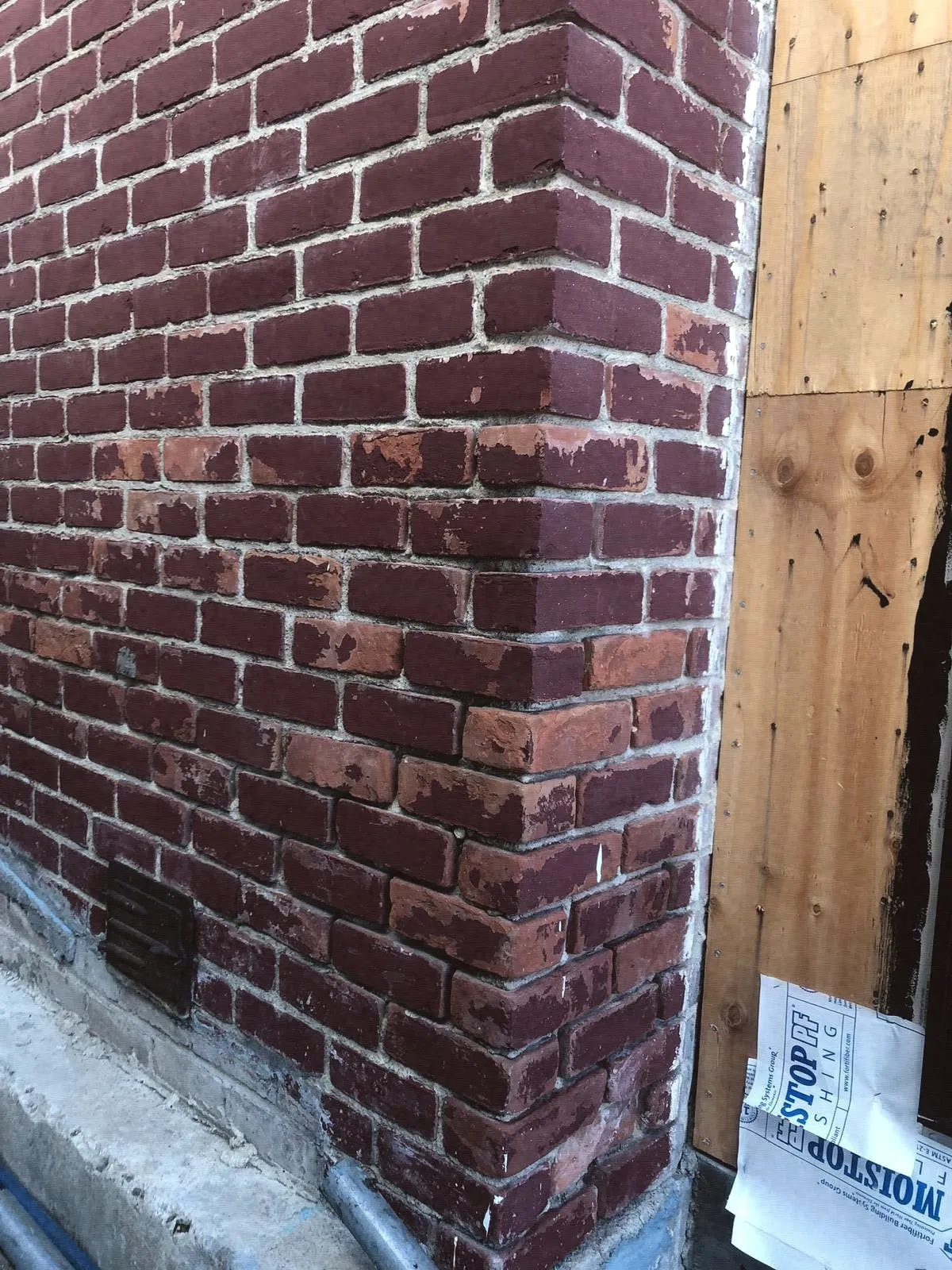
Mortar is meant to wear before the brick does. Once the joints open, water gets behind the face of the brick, and the freeze pops it off in flakes: that is spalling.
Tuckpointing replaces the failed mortar before the bricks loosen. Bricks that have already spalled or cracked through are cut out and replaced.
From our Google Business Profile Firebox.
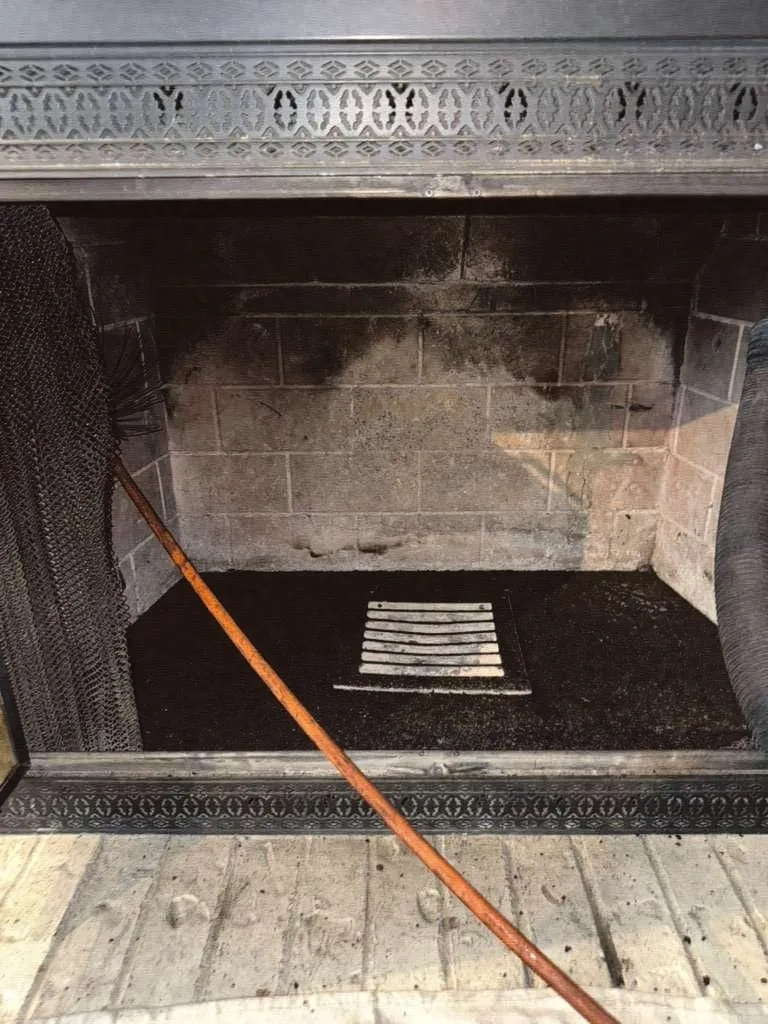
Firebrick and refractory mortar take the direct flame. Open joints and cracked brick let heat reach what is behind the firebox, so small repairs here are cheap insurance for the framing around the fireplace.
From our Google Business Profile Flue liners.
The liner carries smoke and heat out through the middle of the chimney. A cracked or offset tile can let heat reach the framing and let gases into the house, and it rarely shows from the firebox or the roof: it turns up on the video scan of the flue that a Level 2 inspection includes.
From our Google Business Profile Framed chases and chase covers.
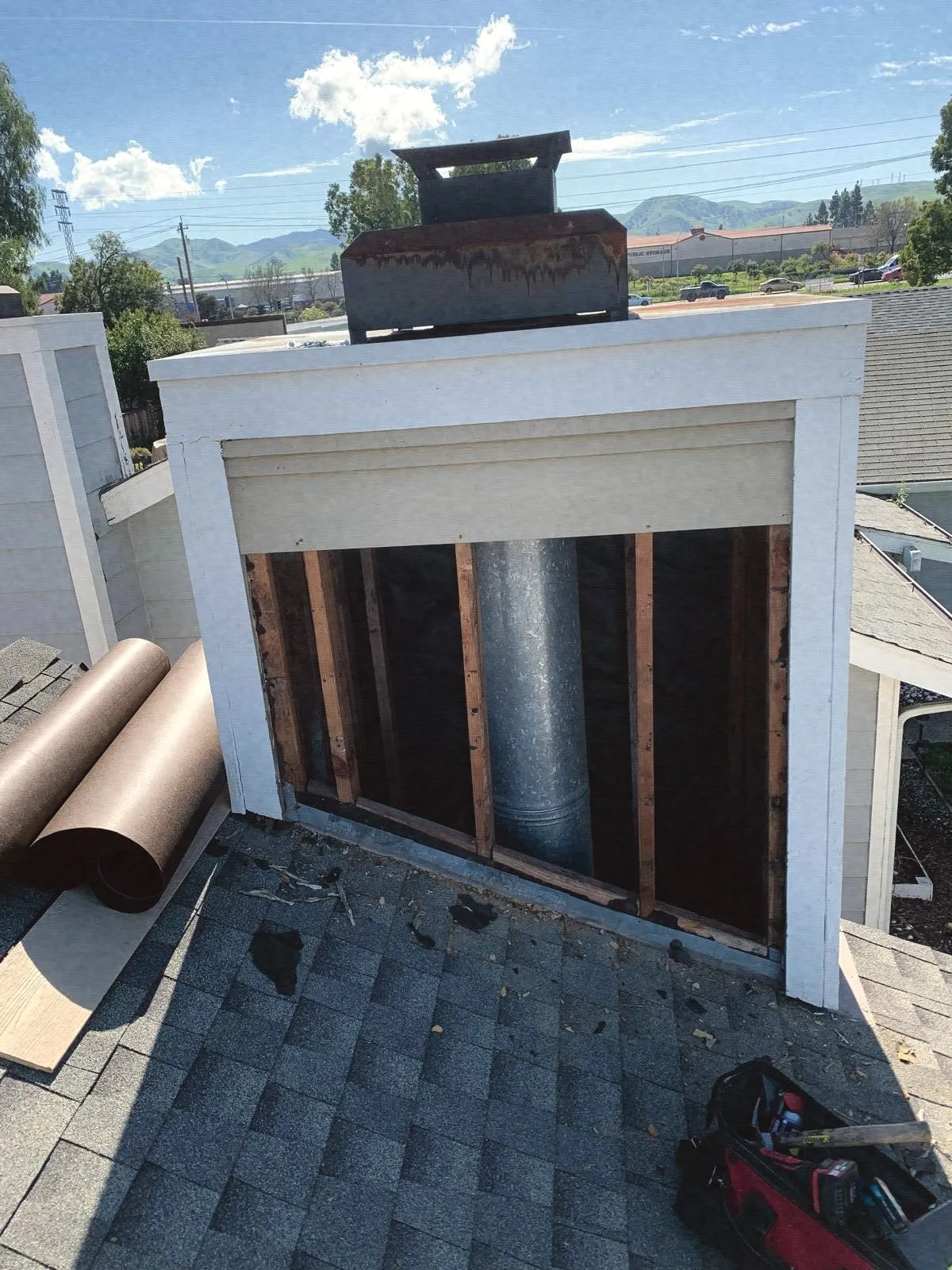
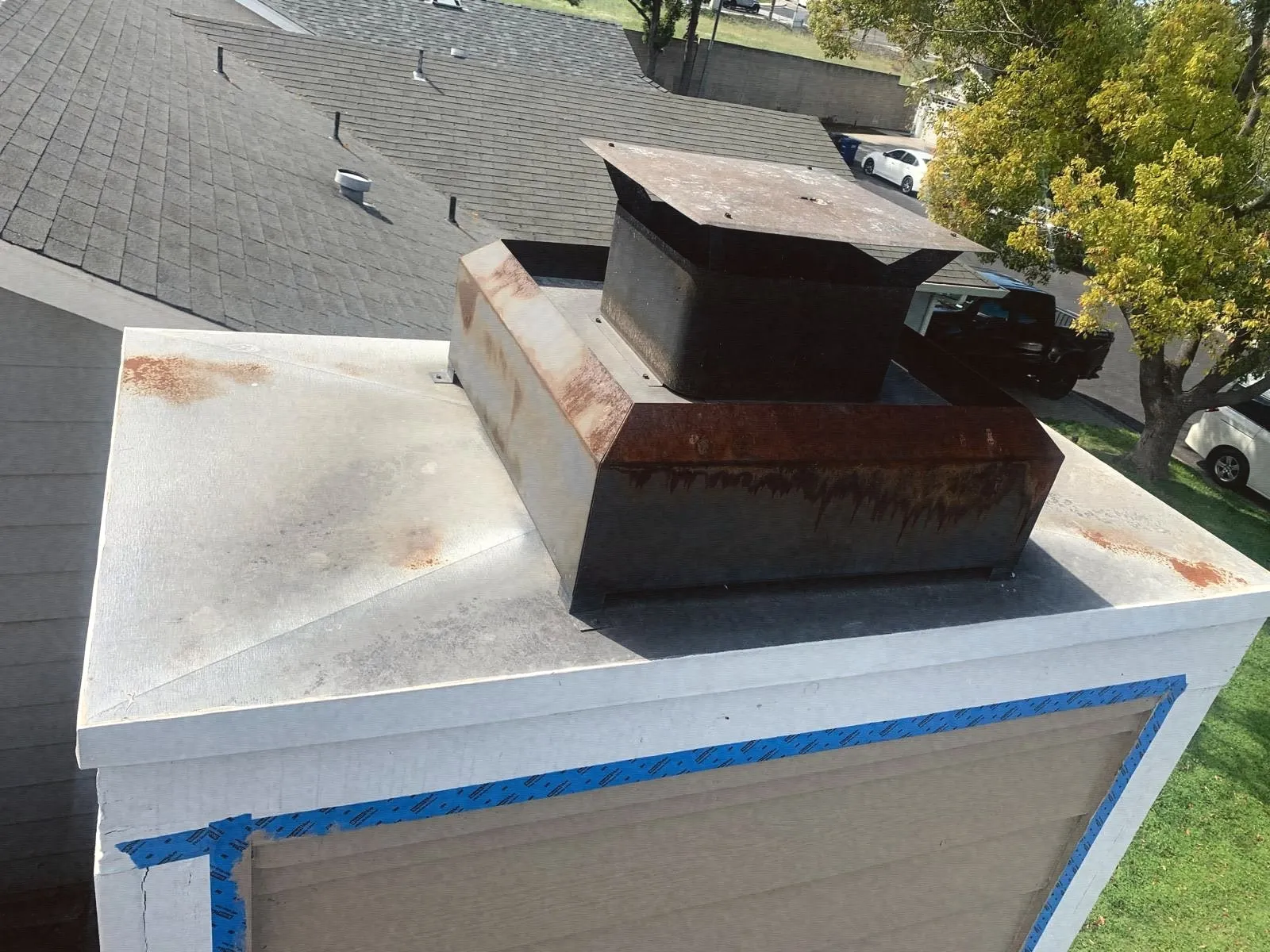
Not every chimney is brick. A framed chase, sided like the house, ends in a metal chase cover. When that cover rusts or sags, water pools on it and runs down inside the chase. A cover that sheds water, with a cap and screen on the flue, keeps the inside dry.
From our Google Business Profile
Questions about repairs.
Straight answers, with the source when there is one.
Why do chimney crowns crack in Boulder?
The crown is the concrete slab on top of the chimney. Boulder winters freeze and thaw it night after night, and water in a hairline crack expands about 9% as it turns to ice, so the crack opens a little more each time. Caught early, a crack is a small repair; left alone, it lets water into the brick and the flue.
Is water in my firebox a chimney problem?
Usually, yes. Water in the firebox or a stain on the ceiling beside the chimney points to one of four places: a missing or damaged cap, a cracked crown, failed flashing at the roof line, or mortar joints that have opened up. An inspection finds which one.
What is tuckpointing?
Replacing worn mortar between the bricks. Mortar is meant to wear before the brick does; once the joints open, water gets behind the face of the brick and the freeze does the rest. Repointing the joints in time keeps the bricks themselves from loosening.
Do I need a chimney cap?
A cap keeps out rain, snow, birds and squirrels, and its screen works as a spark arrestor. The International Residential Code (R1003.9.2) sets the screen openings between 3/8 and 1/2 inch: small enough to stop embers, large enough not to clog.
Will you tell me what needs fixing before any work starts?
Yes. We look at the whole chimney first, from the cap to the firebox, and tell you what we found in plain words, with photos of the problem spots. You decide what gets done, and when.
How do I ask about a repair?
Call (983) 223-5376 from 7 AM to 9 PM, every day, or send a request with the form on this page at any time and tell us what you have noticed.
Book a visit.
Tell us what you need and we will call you back to confirm a time.
- 1You book By phone or online.
- 2We call back To confirm a time.
- 3We inspect Cap to firebox, first.
- 4You decide What gets done, and when.
Online
24 hours a day, with this form
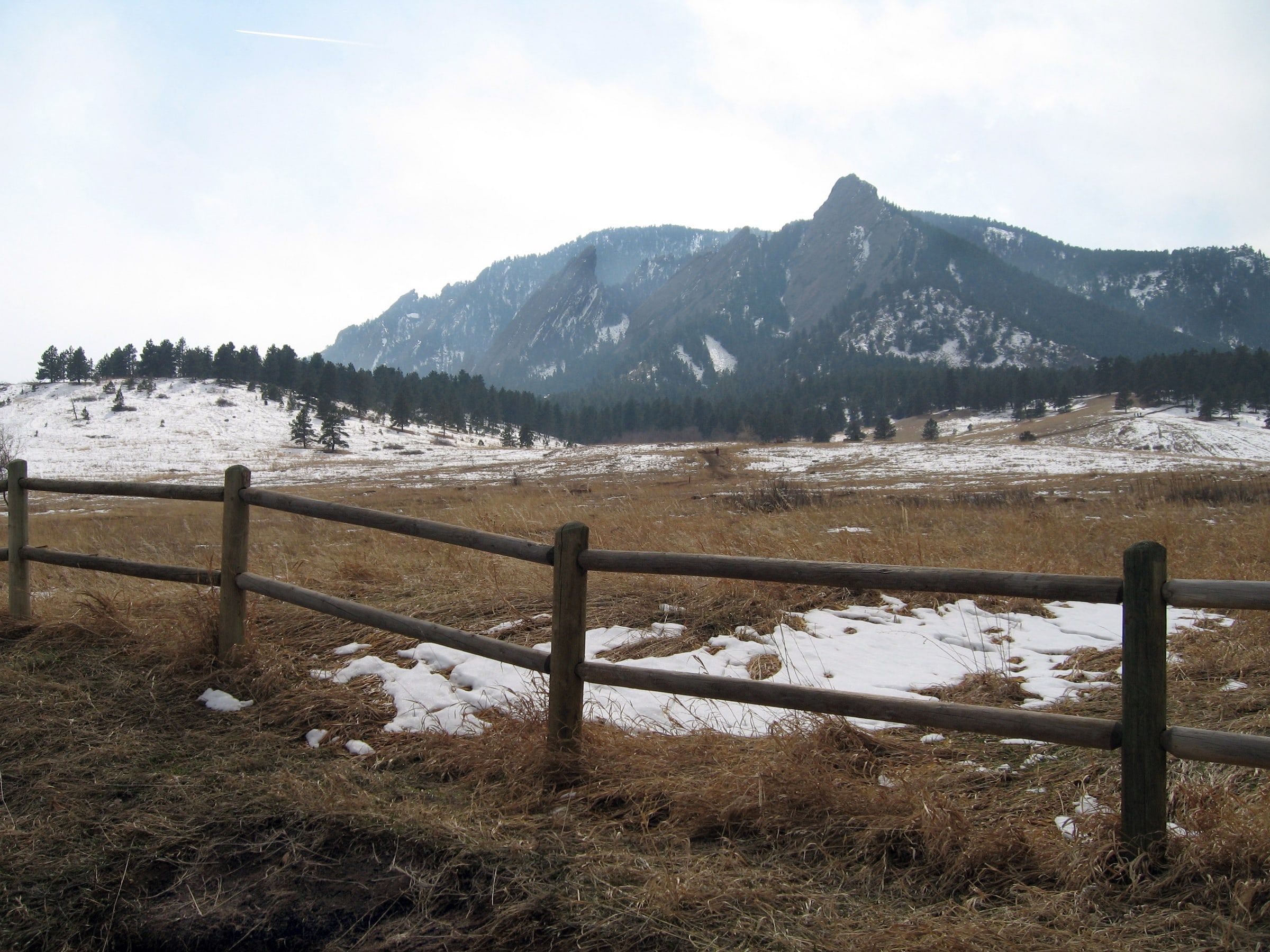
Photo: Chautauqua park with flatirons, Laurascudder (assumed author), CC BY-SA 3.0
Smoke smell, a cracked crown, or just the first fire of the year?
Office 7 AM to 9 PM, every day. Book online any hour.Office open now, until Office opens at . Book online now.
Book online