
Chimney sweeping and cleaning in Boulder.
Creosote and soot out of the flue, the smoke chamber and the firebox, and out of the wood stove pipe too. Call the office or book online.
- reviews on Googleas of
Office 7 AM to 9 PM, every day. Book online any hour.Office open now, until Office opens at . Book online now.
- Book onlineAny hour
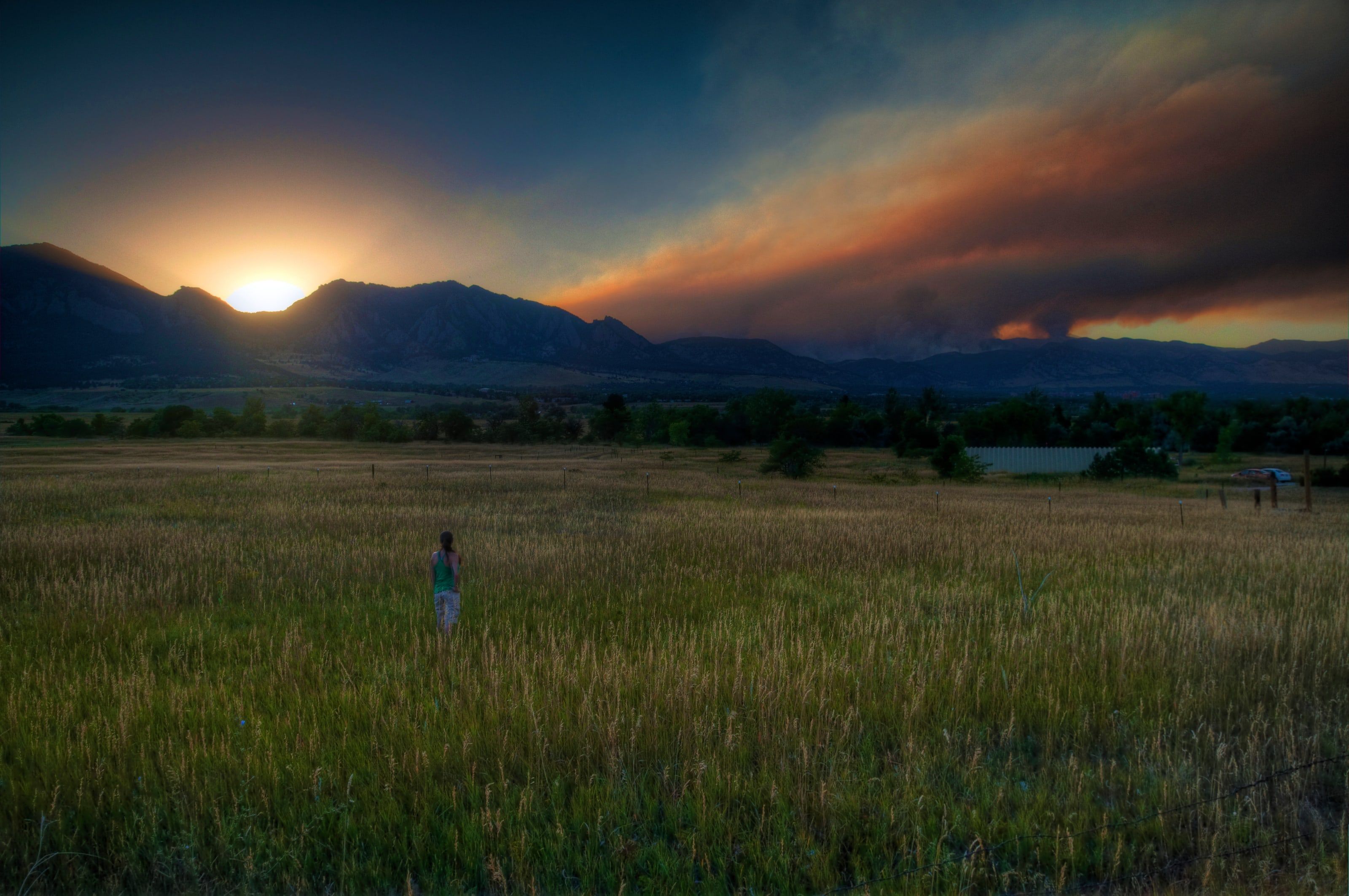
Photo: Just Another Sunset, Zach Dischner, CC BY 2.0
Sweeping, from the firebox to the cap.
What comes out of a chimney, how often it should, and why it is worth doing before the first fire of the season.
What a sweep takes out.
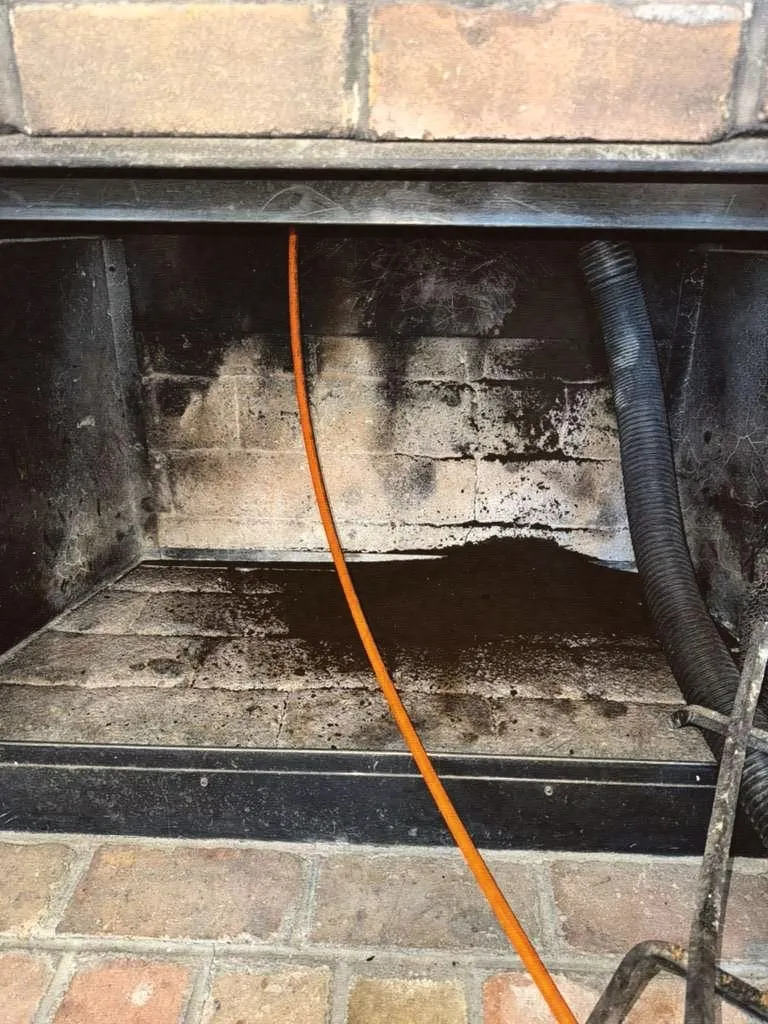
Wood smoke cools as it rises and leaves creosote on the inside of the flue. It starts as a dry, flaky soot. With cool fires and a slow draft it turns crusty, and then it can harden into a shiny glaze that is far harder to remove.
A sweep takes that deposit out of the flue, the smoke chamber and smoke shelf above the damper, and the firebox, so it leaves the house instead of waiting in the chimney for the next fire.
From our Google Business Profile How often, by the inch.
How often to sweep depends on how much you burn, not on the calendar. The Chimney Safety Institute of America rule of thumb is to sweep at 1/8 inch of buildup, and sooner if the deposit looks glazed.
The National Fire Protection Association separately recommends an inspection every year. That yearly look is when the buildup gets measured, so the two usually go together.
From our Google Business Profile Why a clean flue matters.
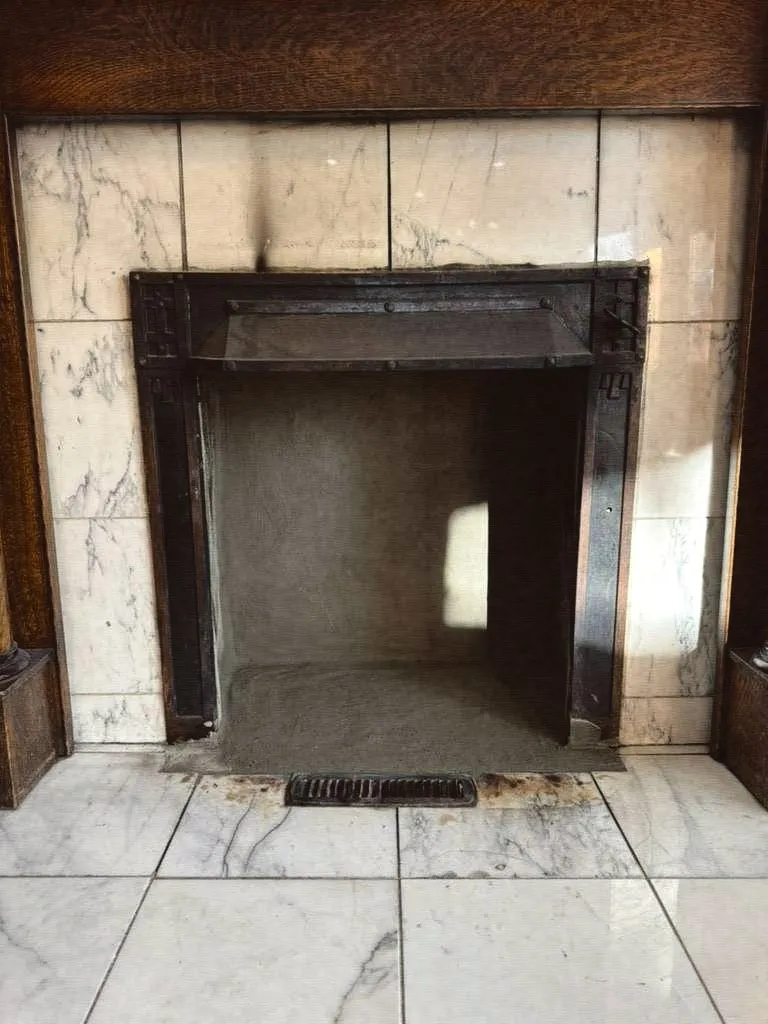
Creosote is fuel. A chimney fire is that deposit catching, inside a flue that was built to carry smoke, not flame. A clean flue leaves a stray spark nothing to catch on.
A clean flue also draws better: smoke and the gases that come with it go up and out instead of rolling back into the room when the fire is lit or the damper is opened.
From our Google Business Profile Wood stoves and inserts.
A stove turned down low for a long, slow burn runs cool, and cool smoke is exactly what leaves creosote fastest. The stove pipe between the stove and the chimney collects it first.
Cleaning a stove covers the stove pipe and its joints, the flue or liner above it, and the cap at the top, so a stove that heats the house all winter is not doing it through a narrowing pipe.
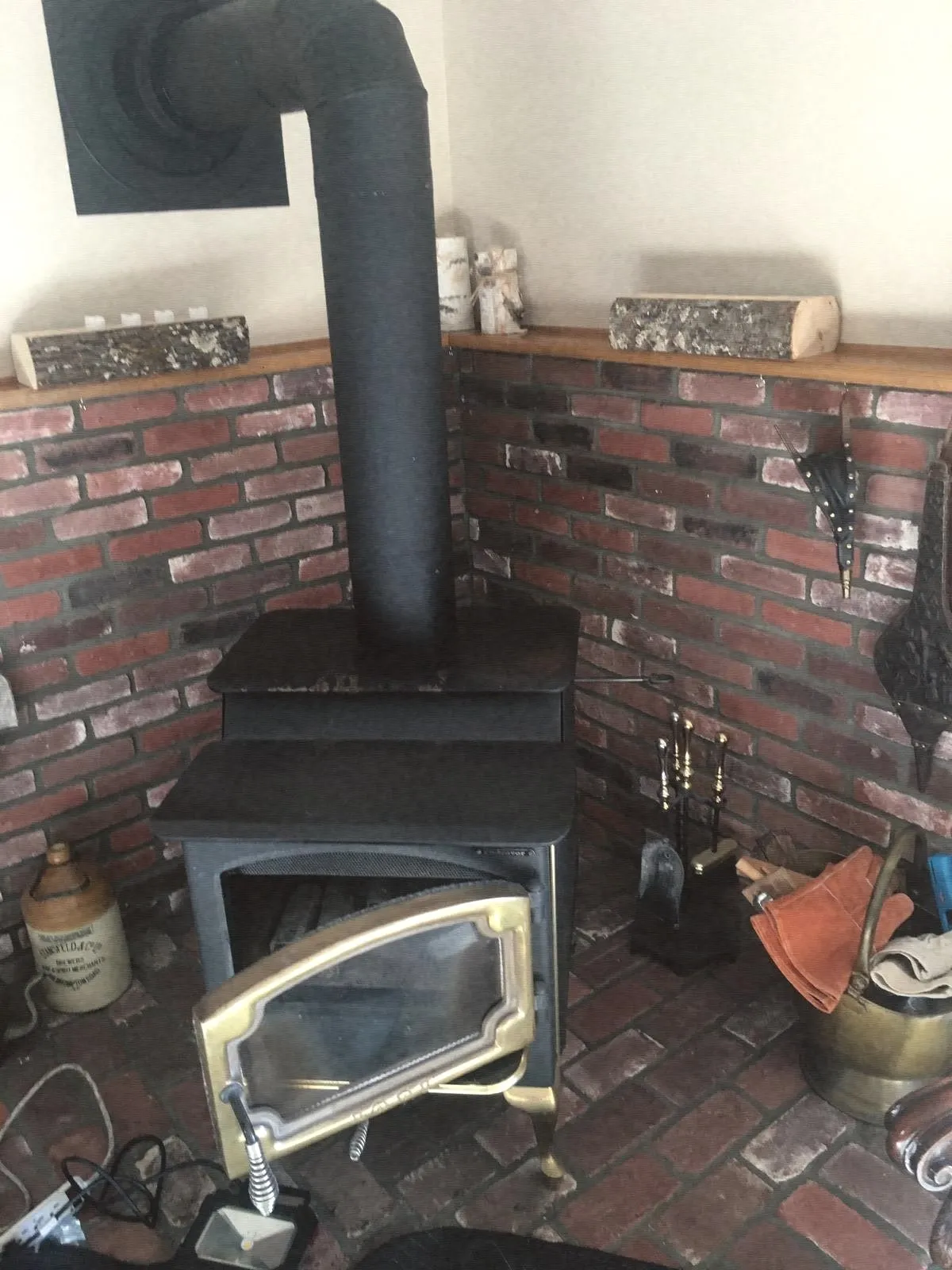
From our Google Business Profile The top of the stack.
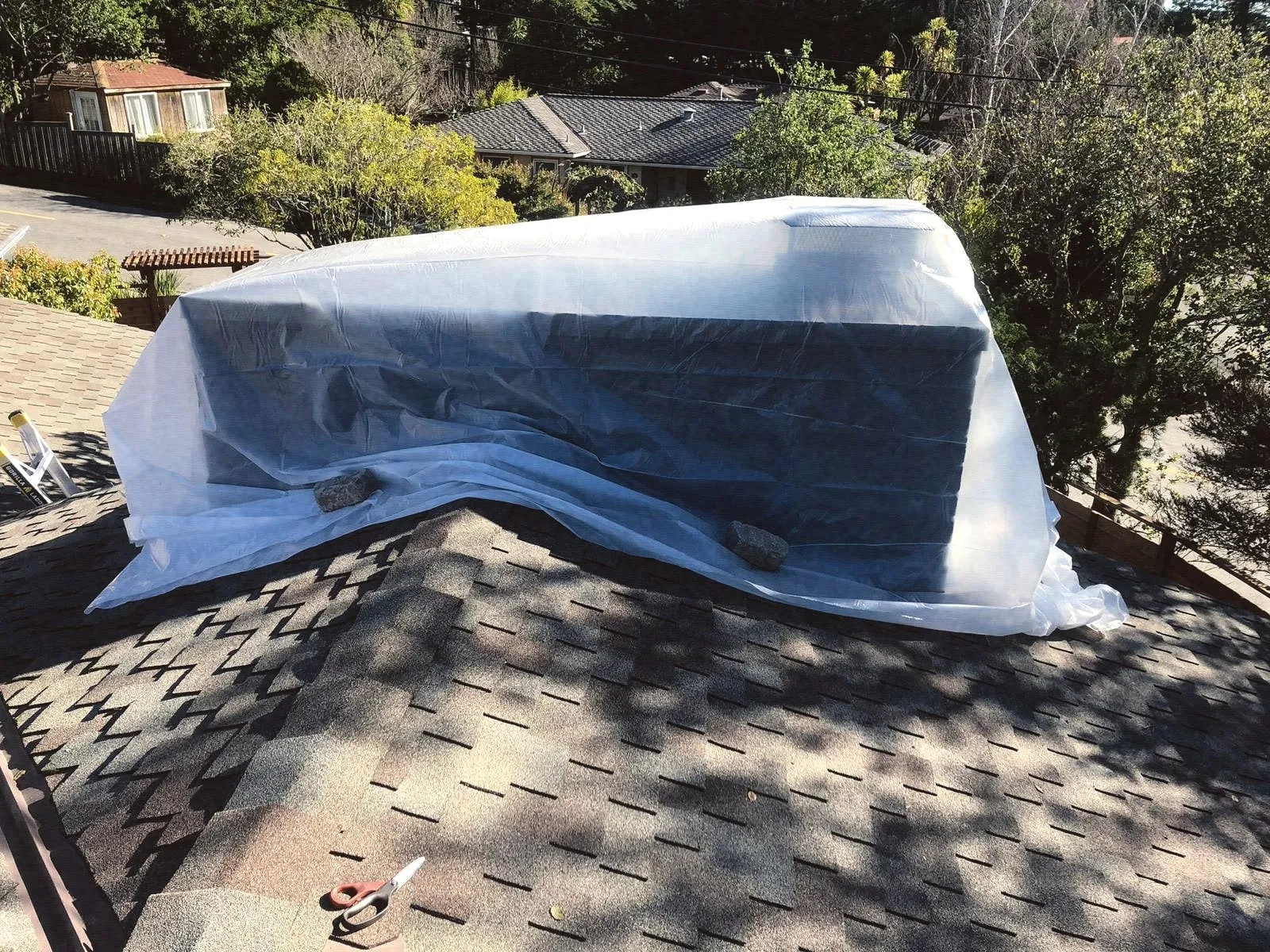
The cap and its screen sit where the smoke has cooled the most, so soot collects there too. A clogged screen slows the draft, and the same screen is what keeps embers from landing on the roof in fire season, so a clean chimney is clean all the way to the top.
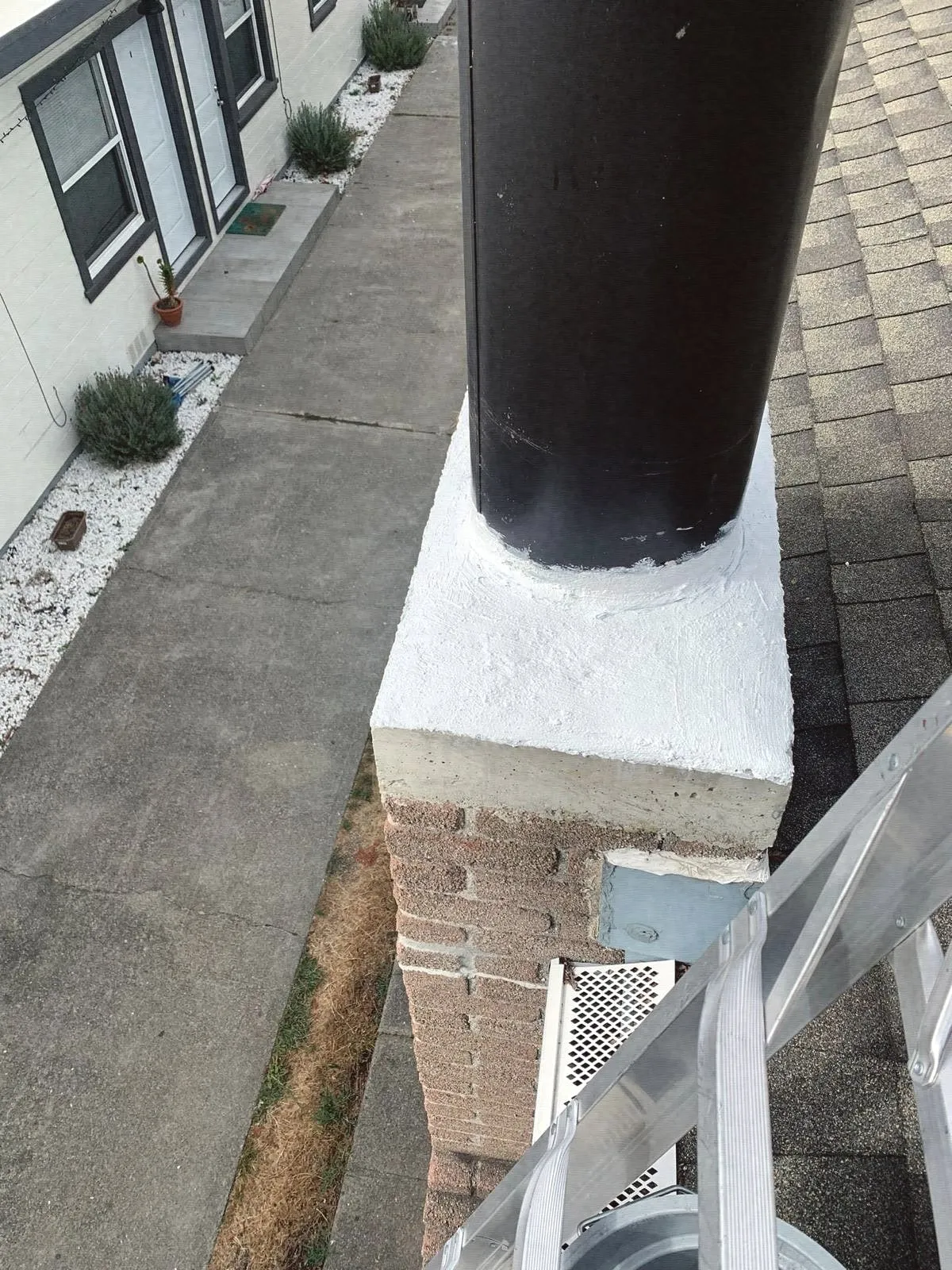
From our Google Business Profile A smoky smell in summer.
Creosote in the flue gives off a smoky smell when the air is warm and humid, and a draft down the chimney carries it into the room. A sweep removes the source; a damper that seals and a cap help keep it outside.
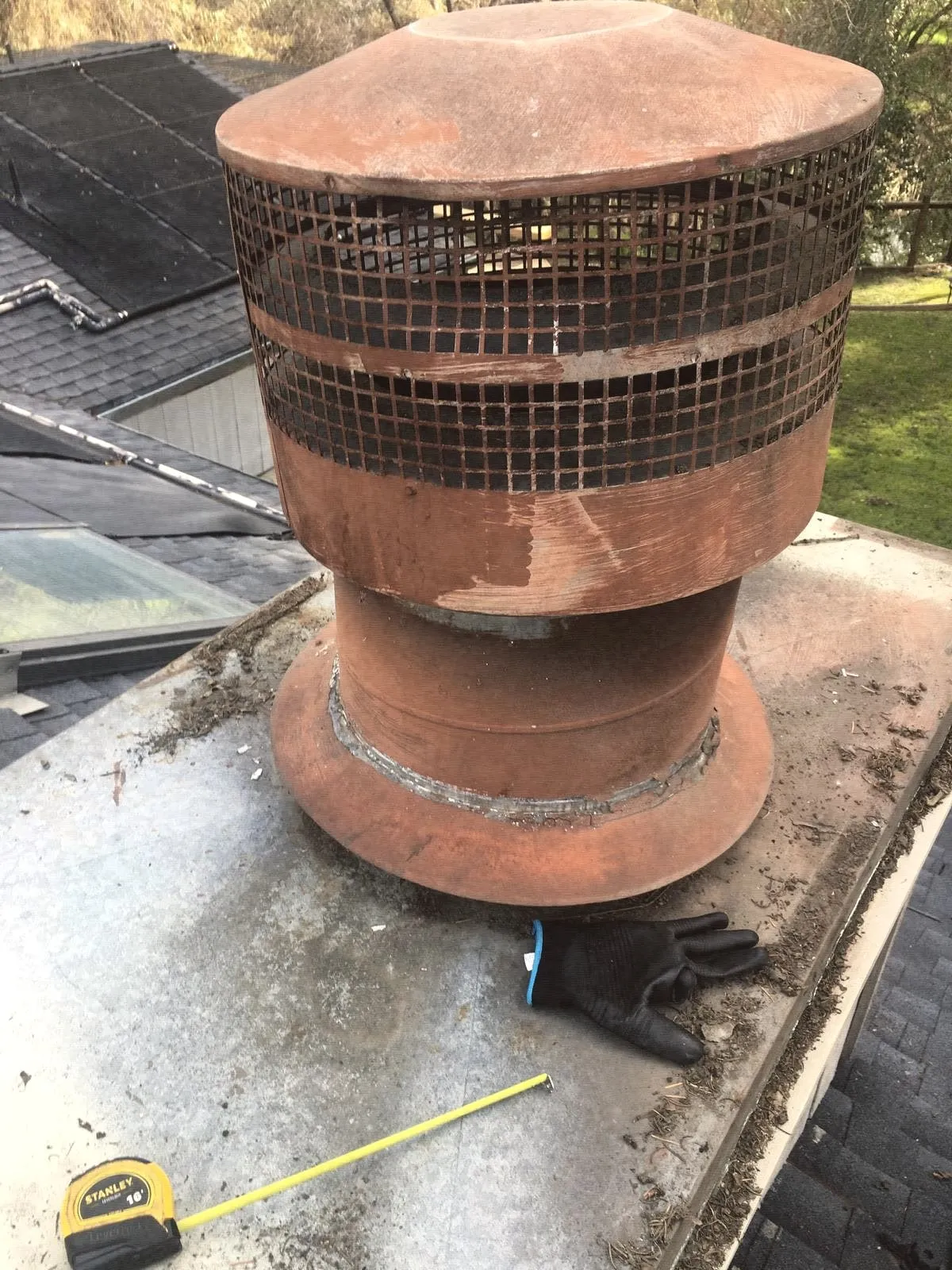
From our Google Business Profile
Questions about sweeping.
Straight answers, with the source when there is one.
How often should a chimney be swept?
It depends on how much you burn, not on the calendar. The Chimney Safety Institute of America rule of thumb is to sweep at 1/8 inch of buildup, and sooner if the deposit looks glazed or shiny. The National Fire Protection Association separately recommends an inspection every year, which is when the buildup gets measured.
What is the difference between a sweep and an inspection?
A sweep takes the creosote and soot out. An inspection looks at the condition of the chimney itself, from the cap down to the firebox, at one of the three levels NFPA 211 sets out. They are often done on the same visit, and a dirty flue is hard to inspect.
What is glazed creosote?
Creosote that has hardened into a shiny, tar-like coating. It forms when smoke runs cool and slow, for example in a stove turned down for a long burn, and it is much harder to remove than dry soot. Glaze is the reason the CSIA rule says to sweep sooner than 1/8 inch.
Does a gas fireplace need sweeping?
Gas does not leave creosote, but its chimney or vent still needs a clear path out: nests, leaves and pieces of a failing liner block a gas flue just as well. NFPA 211 recommends a yearly inspection for gas venting too.
Why does my fireplace smell, especially in summer?
Creosote in the flue gives off a smoky smell when the air is warm and humid, and a draft down the chimney carries it into the room. A sweep removes the source; a damper that seals and a cap help keep it outside.
How do I book a sweep?
Call (983) 223-5376 from 7 AM to 9 PM, every day, or send a request with the form on this page at any time. We call you back to confirm a time.
Book a visit.
Tell us what you need and we will call you back to confirm a time.
- 1You book By phone or online.
- 2We call back To confirm a time.
- 3We inspect Cap to firebox, first.
- 4You decide What gets done, and when.
Online
24 hours a day, with this form
Photo: Chautauqua park with flatirons, Laurascudder (assumed author), CC BY-SA 3.0
Smoke smell, a cracked crown, or just the first fire of the year?
Office 7 AM to 9 PM, every day. Book online any hour.Office open now, until Office opens at . Book online now.
Book online